
5K Training Plan for Beginners: 8 Weeks to Your First 5K
A free 8-week 5K training plan for beginners: three runs a week, run-walk to continuous running, pacing tips, race-day checklist and how to adjust it.
Published
A good 5K training plan for beginners has three runs a week, starts with run-walk intervals, builds gradually to about 30 minutes of continuous easy running, and includes one slightly longer run each week. The 8-week plan below does exactly that. It's designed for people who can already walk briskly for 30 minutes and maybe jog for a minute or two. If you're starting from zero, read how to start running first and come back when you can jog a few minutes at a time.
As with any new exercise programme: if you have a medical condition, are pregnant, have joint problems or have been inactive for a long time, check with your doctor before you start.
How this 5K plan works
The plan uses three types of sessions:
- Easy runs: relaxed, conversational running (or run-walk). The bulk of your training.
- Long run: your longest session of the week, done at the same easy effort. It builds the endurance to cover 5 km.
- Strides (from week 5): four to six short, smooth accelerations of about 15–20 seconds at the end of an easy run, with full walking recovery. They help you feel quicker and more relaxed at faster speeds without being exhausting.
Every session starts with a 5-minute brisk walk and a few dynamic warm-up moves, and ends with a 5-minute walk.
The early weeks rely on the run walk method: run for a set time, walk to recover, repeat. Walk breaks aren't a sign of weakness. They let you build running time without overloading your legs.
The 8-week beginner 5K training plan
Run on three non-consecutive days, for example Tuesday, Thursday and Sunday. Day 3 is your long run.
| Week | Day 1 (easy) | Day 2 (easy) | Day 3 (long) |
|---|---|---|---|
| 1 | Run 1 min / walk 2 min × 8 | Run 1 min / walk 2 min × 8 | Run 1 min / walk 1.5 min × 10 |
| 2 | Run 2 min / walk 2 min × 6 | Run 2 min / walk 2 min × 6 | Run 2 min / walk 1.5 min × 8 |
| 3 | Run 3 min / walk 2 min × 5 | Run 3 min / walk 2 min × 5 | Run 4 min / walk 2 min × 5 |
| 4 | Run 5 min / walk 2 min × 4 | Run 5 min / walk 2 min × 3 | Run 6 min / walk 2 min × 4 |
| 5 | Run 8 min / walk 2 min × 3 + strides | Run 8 min / walk 2 min × 2 | Run 10 min / walk 2 min × 3 |
| 6 | Run 12 min / walk 1 min × 2 + strides | Run 15 min easy | Run 20 min / walk 1 min / run 8 min |
| 7 | Run 20 min easy + strides | Run 15–20 min easy | Run 30 min easy, or 5 km at easy effort |
| 8 (race week) | Run 20 min easy + 4 strides | Run 10–15 min very easy | Race day: 5K |
How to use the table
- Repeat any week that felt too hard. Many people need 10 to 12 weeks, and that's completely fine.
- Swap days to fit your life, but keep at least one rest day between runs.
- Easy means easy. You should be able to talk in full sentences on all runs except strides.
- If you miss a session, just carry on. If you miss a whole week, repeat the previous week.
Pacing: how fast should you go?
For your first 5K, pace is far less important than consistency. Run your training at an effort that feels relaxed. For many beginners, that's somewhere between a brisk walk and a gentle jog, and that's perfectly normal. Read what counts as a good running pace for beginners if you're curious how your pace compares.
To work out your current pace or estimate a finish time, use the running pace calculator. Here are a few example finish times and the pace you'd need to hold:
| 5K finish time | Pace per km | Pace per mile |
|---|---|---|
| 25:00 | 5:00 | 8:03 |
| 30:00 | 6:00 | 9:39 |
| 35:00 | 7:00 | 11:16 |
| 40:00 | 8:00 | 12:52 |
| 45:00 | 9:00 | 14:29 |
These are simple example calculations, not targets. Any of these times is a fantastic first 5K. If you want to train by feel and heart rate instead, our heart rate zones explained article shows how to keep easy runs genuinely easy.
Strength and mobility: the helpful extras
Running three days a week leaves room for one or two short extra sessions. They're optional, but they help many runners feel more robust:
- Strength (15–20 minutes, 1–2 times a week): squats, lunges, glute bridges, calf raises, planks and side planks. See strength training for beginners or try our home workout plan for beginners.
- Mobility (5–10 minutes): gentle hip, ankle and hamstring movements after runs. Our mobility routine for beginners is a good template.
Keep strength sessions on easy or rest days and avoid going hard on legs the day before your long run.
Signs you're progressing well (and signs to slow down)
Good signs:
- Runs that felt hard two weeks ago now feel manageable.
- You recover from sessions within a day.
- You're sleeping normally and looking forward to runs.
Signs to ease off:
- You feel sore or tired for days after runs.
- A specific spot (shin, knee, foot, Achilles) hurts during or after running.
- Your resting energy and sleep get worse.
If you notice warning signs, repeat a week, add an extra rest day or swap a run for a walk. Pain that persists, gets worse or makes you limp should be checked by a doctor or physiotherapist. More on recovery in how many rest days a week.
Race-week checklist
Race week is about arriving fresh, not squeezing in extra fitness. The work is already done.
- Keep runs short and easy. The plan above drops volume on purpose.
- Don't try new shoes, new clothes or new food on race day.
- Check the start time, location, parking or transport, and bag drop.
- Lay out your kit the night before: shoes, socks, clothes, bib, pins, watch.
- Eat a familiar meal the evening before and a light, familiar breakfast a couple of hours before the start.
- Arrive early enough to use the toilet and walk around calmly.
- Do a 5–10 minute easy warm-up: brisk walking, a few minutes of gentle jogging and some leg swings.
Race-day strategy for your first 5K
- Start slower than you want to. Race-day excitement makes everyone go off too fast. Aim to feel almost too easy for the first kilometre.
- Settle into your easy-to-steady effort for the middle part. You should still be able to say a short sentence.
- Use walk breaks if you planned them. For example, run 9 minutes and walk 1 minute. Planned walk breaks are much better than forced ones.
- Breathe calmly. If you get a side stitch, slow down and breathe out fully. See how to breathe while running.
- Pick it up in the last kilometre only if you feel good.
- Enjoy the finish. You trained for this.
Common 5K training mistakes
Running every session too hard
If each run feels like a time trial, your body never gets a chance to recover and adapt. Keep easy runs easy and let the long run and strides do their job.
Adding extra runs because you feel good
Your cardiovascular fitness often improves faster than your bones and tendons adapt. Stick to three runs a week for this plan.
Skipping the warm-up
A few minutes of walking and gentle movements makes the first part of every run feel better.
Worrying about pace
Your first 5K is about finishing comfortably and wanting to do another one. Pace improvements come with consistency over months.
Wearing the wrong shoes
Uncomfortable or worn-out shoes can make running miserable. See how to choose running shoes.
After your first 5K: what next?
Take two or three easy days, then choose your next step:
- Run the same 5K faster: keep three runs a week, extend your long run to 40 minutes and add one session of short, faster intervals.
- Run it more comfortably: keep the same plan and simply run more of it continuously.
- Build towards 10K: gradually lengthen your long run by 5–10 minutes every week or two, with an easier week every third or fourth week.
Whatever you choose, keep most of your running easy. That's the habit that carries you from your first 5K to your fifth, and beyond.
FAQ
Can a complete beginner train for a 5K in 8 weeks?
Many beginners can, provided they are healthy and follow a gradual plan with walk breaks. If you are starting from no exercise at all, do a few weeks of walking and run-walk first, and repeat weeks whenever you need to.
How many days a week should I run when training for a 5K?
Three days a week on non-consecutive days works well for most beginners. Add a walk, mobility or light strength session on other days if you feel good.
Is it okay to walk during my first 5K race?
Absolutely. Plenty of first-time 5K runners use planned walk breaks. Finishing comfortably is a great result, and it sets you up to enjoy the next one.
What pace should I run my first 5K at?
Run at a pace where you can still speak in short sentences for most of the race. Use your easy training runs as a guide and save any extra effort for the last kilometre.
From the shop
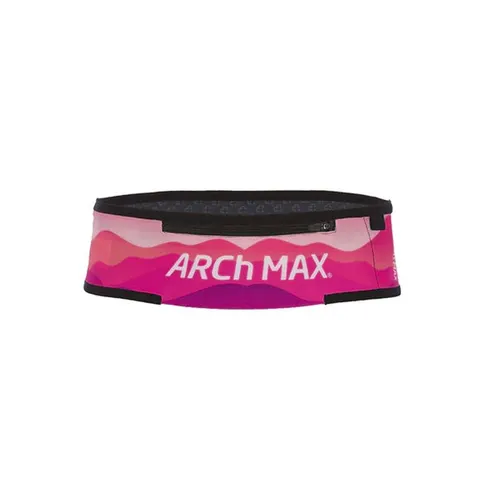
ARCh MAX Belt Pro Zip running belt, pink, size L-XL
A light Lycra running belt with five pockets, a zipped front pocket for a large phone and pole loops, in pink, size L-XL.
Price: €15.99incl. VAT, plus shipping
Not available
Related articles
Running & cardio
Treadmill Pace Chart: Convert km/h and mph to Pace
Treadmill pace chart: convert km/h or mph into minutes per km or mile, the simple formula, worked examples, and whether a 1% incline really matters.
9min read
Running & cardio
Zone 2 Training for Beginners: How Slow Is Slow Enough?
Zone 2 training for beginners: how to find your zone 2 heart rate, why it feels so slow, sample weeks for running and cycling, and common mistakes.
8min read
Running & cardio
What Is a Good Running Pace for Beginners?
What's a good running pace for beginners? Why effort beats speed, how to find your easy pace, example paces per km and mile, and how to get faster safely.
8min read